From Generic Benefits to Scenario-Based Personal Care
Generic benefit claims such as moisturizing, brightening and anti-aging are not always enough to create a clear product concept. A scenario explains who the product is for, when it is used and why the routine matters.
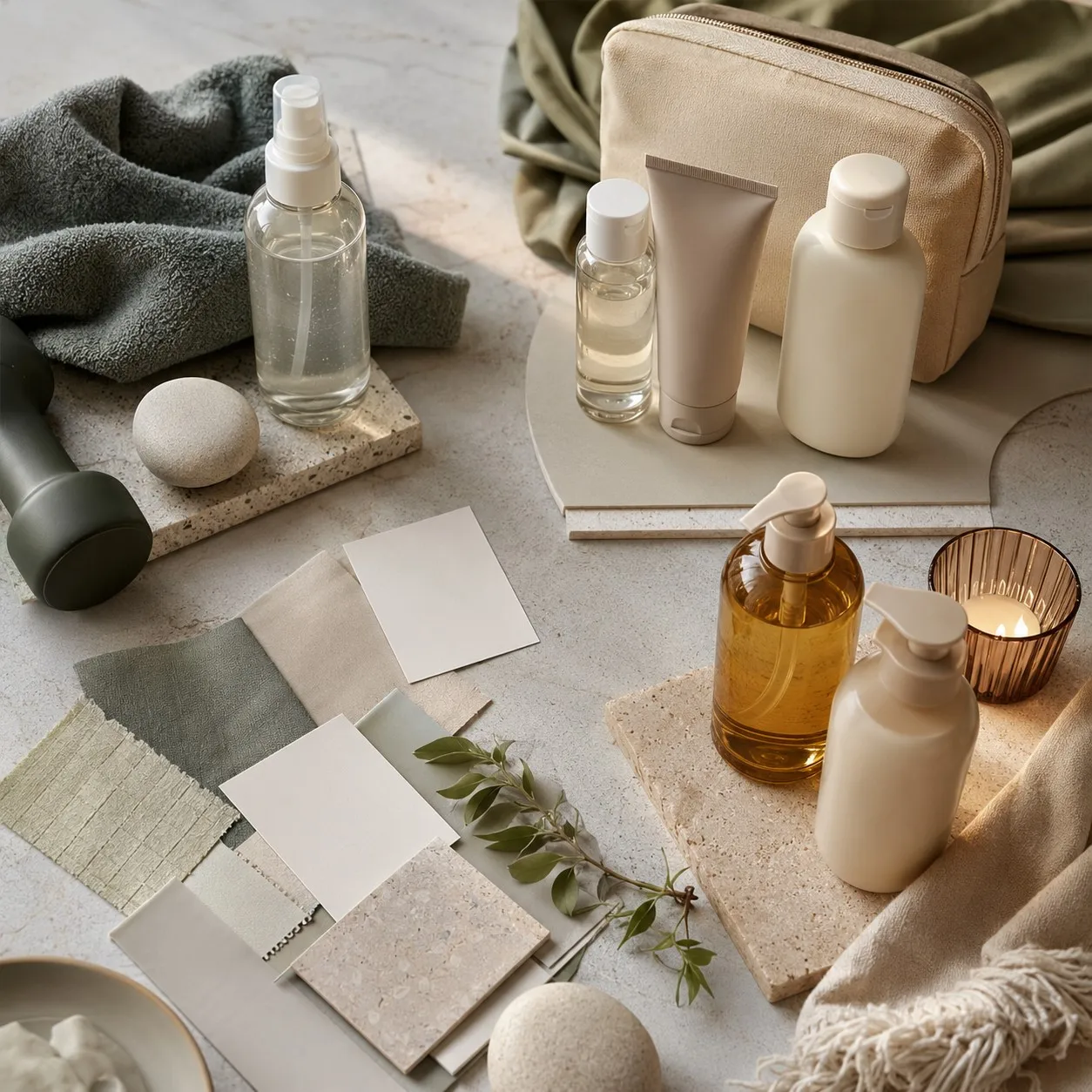
A scenario connects product and communication
A post-workout scalp scrub, a dry-hot-climate body lotion and a sensitive minimal serum can all use familiar cosmetic technologies. What makes the concept clearer is the consumer context and routine.
That context guides the formula texture, packaging, fragrance, SKU combination and launch content.
Define the consumer before the formula
The brief should describe habits, environment, channel, price level and expected use frequency. These details help determine whether the hero product should be a wash-off product, treatment, spray, serum, oil or set.
They also help reduce unnecessary sampling because the project team understands the desired user experience.
Build from a hero product to a routine
A scenario can launch with one hero product and later expand into complementary products. For example, post-workout care may begin with a scalp scrub and later add shampoo, body wash, deodorant and mist.
Planning the architecture early makes later expansion more consistent and easier to communicate.
Formula, claims, testing, documents, compatibility, MOQ and timeline must be confirmed according to the specific product, target market and manufacturing partner.